
Planning to explore Palampur tea gardens?
This guide introduces the region’s tea heritage and helps you plan a visit around its plantations and local experiences. Before setting out, confirm visitor access and any booking requirements with the estate or factory you wish to visit. For your accommodation, explore room options at The Bliss Palampur and plan your stay around the places you want to discover.
When someone says “tea,” the first names that come to mind are usually Darjeeling or Assam.
But what if I told you there’s another destination that has been quietly producing world-class tea for over 170 years?
Welcome to Palampur, a peaceful hill town nestled in Himachal Pradesh beneath the mighty Dhauladhar Mountains. Known as the Tea Capital of North India, Palampur is home to endless green tea gardens, fresh mountain air, and one of India’s most fascinating tea histories.
This wasn’t just another sightseeing trip—it was an experience that made me appreciate every cup of tea I drink.
First Impressions of Palampur
The moment I entered Palampur, everything changed.
The noisy highways disappeared.
Instead, I was surrounded by lush green tea gardens stretching across the hills, cool mountain breeze, and the breathtaking Dhauladhar range standing proudly in the background.
Unlike crowded tourist destinations, Palampur feels peaceful.
Every road leads you through tea plantations, small villages, and scenic viewpoints that make you stop every few minutes just to admire the landscape.
No wonder it’s called the Tea Capital of North India.
Why Is Palampur Called the Tea Capital?
Many travelers don’t realize that Palampur has one of the oldest tea-growing traditions in India.
Tea cultivation began here in 1849, when British botanists discovered that the climate and elevation of Kangra Valley were perfect for growing Chinese tea plants.
Today, Palampur produces the famous Kangra Tea, which received its prestigious Geographical Indication (GI) Tag in 2005.
Only tea grown in selected parts of Kangra, Mandi, and Chamba can legally be sold as authentic Kangra Tea.
That makes every cup special.
Walking Through the Tea Gardens
One of the best experiences in Palampur is simply walking through the tea gardens.
Early in the morning, local workers begin carefully plucking just two leaves and a bud—the highest quality part of the tea plant.
Watching this process in person is completely different from reading about it.
The fresh aroma of tea leaves fills the air, birds sing from nearby trees, and the snow-covered mountains create a picture-perfect backdrop.
It feels like nature has slowed down just for you.
If you’re staying at Bliss Palampur Hotel, many of these tea gardens are only a short walk away, making sunrise walks one of the highlights of your stay.
A Story Hidden Inside Every Tea Leaf
Tea in Palampur isn’t just agriculture.
It’s history.
After India’s independence, the tea industry faced several challenges, including natural disasters and declining production.
The local farming community refused to give up.
In 1963, the Palampur Cooperative Tea Factory was established, helping thousands of small farmers continue growing tea.
Today, more than 5,900 tea growers contribute fresh leaves to tea factories across the region.
Visiting the cooperative gives you a chance to see traditional processing machines, learn how tea is made, and understand the journey from leaf to cup.
The Taste of Authentic Kangra Tea
If you’ve only tasted packaged tea from supermarkets, Kangra Tea will surprise you.
Unlike stronger varieties, Kangra Tea has a delicate aroma, light golden color, and naturally smooth flavor without bitterness.
Its unique taste comes from:
- High-altitude plantations
- Mineral-rich mountain soil
- Snowmelt water from the Dhauladhar range
- Cool Himalayan climate
Many local cafés and hotels proudly serve freshly brewed Kangra Tea sourced directly from nearby gardens.
It’s one of those experiences that simply can’t be replicated anywhere else.
Tea Tourism in Kangra Valley
Tea tourism has become one of the biggest reasons travelers visit Palampur.
From March to November, visitors can:
- Walk through beautiful tea gardens
- Watch tea leaves being processed
- Visit the CSIR Tea Museum
- Learn about Kangra Tea’s fascinating history
- Meet local tea growers
- Purchase authentic Kangra Tea directly from producers
Every experience feels genuine because you’re witnessing a tradition that has survived for generations.
Famous Tea Estates Worth Visiting
No visit to Palampur is complete without exploring its famous tea estates.
One of the most popular is Wah Tea Estate, where visitors can stroll through beautifully maintained plantations while enjoying spectacular mountain views.
Many estates also offer guided tours explaining tea cultivation, harvesting, and processing.
Photography is generally allowed, making these gardens perfect for capturing memorable travel moments.
More Than Just Tea
Palampur isn’t only about tea.
The town has plenty to explore.
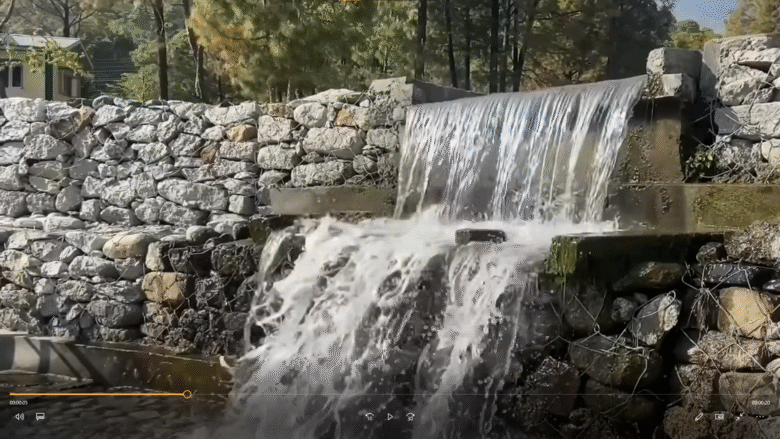
Visit the peaceful Neugal Khad, where crystal-clear water flows beneath the mountains.
Explore the CSIR Institute, which continues researching tea cultivation and improving production techniques.
The best part?
Most attractions are within a short drive of each other, making Palampur ideal for a relaxed weekend getaway.
The Challenges Facing Palampur’s Tea Industry
Despite its rich heritage, the tea industry continues to face challenges.
Labour costs are rising.
Young people are moving to cities.
Climate change has affected rainfall and harvest seasons.
Yet local farmers continue adapting by producing more organic and green tea while preserving traditional farming methods.
Supporting local tea growers means helping protect one of India’s oldest tea cultures.
Where to Stay in Palampur
Location makes all the difference when exploring Palampur.
Bliss Palampur Boutique Hotel offers easy access to nearby tea gardens, local attractions, and scenic viewpoints.
Whether you’re planning an early morning plantation walk or a day exploring Kangra Valley, staying close to the tea estates allows you to experience the destination at your own pace.
After a day of sightseeing, returning to comfortable rooms with stunning mountain views makes the experience even more memorable.
Final Thoughts
Palampur isn’t a destination that shouts for attention.
Instead, it quietly wins your heart.
The peaceful tea gardens, friendly locals, centuries-old tea heritage, and breathtaking Himalayan landscapes create an experience that’s difficult to forget.
If you’re looking for a destination that’s different from the usual hill stations, Palampur deserves a place on your travel list.
Come for the tea.
Stay for the mountains.
Leave with stories you’ll remember every time you brew your next cup of tea.
Frequently Asked Questions
Is Bliss Palampur close to the tea gardens?
Yes. Several tea gardens are within walking distance, making it convenient for morning and evening walks.
Can I buy fresh Kangra Tea in Palampur?
Absolutely. Fresh Kangra Tea is available at local markets, tea estates, and cooperative outlets.
Does Bliss Palampur help with sightseeing?
Yes. The hotel staff can guide visitors with local sightseeing recommendations and nearby attractions.
Is photography allowed inside tea gardens?
Most tea gardens allow photography, although it’s always polite to ask for permission before entering private plantations.
Is it safe to visit Palampur during the monsoon?
Yes. Palampur remains a beautiful destination during the monsoon, though visitors should expect occasional rain and travel with appropriate precautions.
Leave feedback about this