
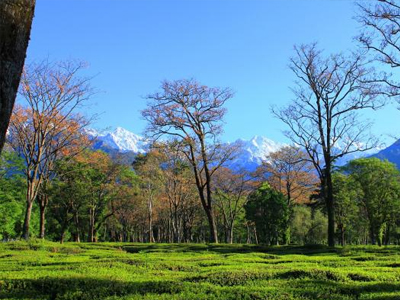
Tucked into the lower folds of the Dhauladhar range, Palampur is the kind of Himachali town that grows on you slowly. Rows of tea bushes roll out toward snow-tipped ridges, pine-scented air drifts through quiet lanes, and the pace never quite matches the plains you left behind. For anyone hunting a slow, restorative break, this small town delivers.
Much of that appeal comes down to climate. Palampur weather stays gentle for most of the calendar, which is exactly why the town keeps drawing visitors season after season. Some come for cool May afternoons, others for rain-soaked green hillsides, and plenty arrive in December simply to wrap up in a shawl and watch the mountains change colour.
A little planning helps. Knowing how the weather in Palampur behaves month by month, and how the Palampur temperature swings between seasons, lets you pack right, book right, and spend your days outdoors instead of waiting out a downpour.
Palampur Weather at a Glance
Sitting at roughly 1,220 metres, Palampur escapes both the furnace-like summers of the plains and the biting cold of higher Himalayan towns. The year splits neatly into three stretches: a mild summer, a heavy monsoon, and a crisp winter.
Summer turns the town into a breathing space for anyone fleeing 40°C heat. Monsoon soaks the valley and pushes every shade of green to its limit. Winter quiets things down with frosty mornings, clear afternoons, and ridgelines that look close enough to touch.
Typical Palampur temperature ranges by season:
- Summer: 15°C to 30°C
- Monsoon: 20°C to 28°C
- Winter: 5°C to 18°C
That moderate spread is why families with young children, honeymooning couples, and solo travellers all find the town workable.
Palampur Weather by Month
January and February — the chilliest weeks of the year. Nights turn sharp and mornings often begin under mist. Ideal if you like cold-weather travel: long breakfasts, hot chai, and unhurried mountain views from a warm room.
March and April — spring resets everything. Wildflowers appear, daytime warmth returns without any heat, and visibility improves sharply. Excellent for walking routes, photography, and relaxed sightseeing.
May and June — Palampur in summer earns its reputation here. While the rest of North India swelters, afternoons stay manageable and evenings need only a light layer. Tea estates, temples, and day trips all fit comfortably into this window, which is why it is peak season.
July to September — Palampur in monsoon becomes intensely green. Rain falls generously, streams run full, and the tea gardens glow. The trade-off is unpredictability, so watch the forecast and keep outdoor plans flexible.
October and November — post-monsoon air is famously clean. Skies clear, the Dhauladhars sharpen against the horizon, and daytime conditions stay comfortable. Many regulars call this the finest stretch of the year.
December — winter settles in properly. Temperatures dip, crowds thin, and the town takes on a still, holiday-season calm that suits anyone chasing quiet.
Palampur Weather in Summer
Between March and June, conditions stay friendly enough to be outside all day. There is no oppressive humidity, and shade is genuinely cool.
Summer suits:
- Long walks through the tea estates
- Afternoons at riverside cafes
- Temple and monastery visits
- Sitting still somewhere green and doing very little
- A short run across to Bir Billing
It is the most family-friendly window of the year, and also the busiest, so book rooms well ahead.
Palampur Weather During Monsoon
Rain rearranges the mood entirely. Clouds sit low on the ridges, streams swell, and the valley smells of wet earth and tea leaves. Crowds thin out and tariffs often soften.
Monsoon works well for:
- Watching weather roll across the valley from a balcony
- Slow, unstructured days
- Photographing the estates at their greenest
- Reading, resting, and unplugging
Carry proper rain gear and confirm road conditions before setting out, since heavy spells occasionally disrupt hill routes.
Palampur Weather in Winter
From late October through February, Palampur in winter is cold but rarely severe. Days stay bright, nights demand real layers, and the mountains show off after every clear spell.
Snow inside town limits is uncommon. The higher slopes of the Dhauladhars, however, whiten regularly, and on good days fresh snow is visible straight from the valley floor. Travellers curious about Palampur snowfall usually plan a short drive toward higher elevations, weather permitting.
What Is the Best Time to Visit Palampur?
It depends on the trip you want.
For dependable sunshine and full days outdoors, March through June is the safest bet. For crisp air, sharp mountain views, and fewer weather surprises, September through November is arguably better. Winter belongs to travellers who value silence, cold mornings, and lower tariffs over a packed itinerary.
If you want a single answer: March to June and September to November are the strongest months, and the best time to visit Palampur for most people.
Things to Do in Palampur According to the Weather
Every season opens different doors. Warm months favour exploration, wet months favour stillness, and cold months favour comfort food and long evenings indoors.
Worth building your days around:
- Palampur Tea Gardens
- Neugal Cafe
- Tashi Jong Monastery
- Saurabh Van Vihar
- Bir Billing for adventure
What Should You Pack for a Palampur Trip?
Summer: breathable cottons, walking shoes, and one warm layer for after sunset.
Monsoon: a raincoat or sturdy umbrella, quick-dry clothes, waterproof footwear, and spare socks.
Winter: an insulated jacket, woollens, thermals, plus a cap and gloves for early mornings.
Whatever the month, glance at the Palampur weather today before you finalise anything.
Where to Stay in Palampur for a Comfortable Trip?
Where you sleep shapes how the whole trip feels. After hours on your feet, a warm room, hot water, and a view worth waking up to matter more than almost anything else on the itinerary.
Look for a property that is easy to reach, close enough to the main sights to save you travel time, and calm enough that you actually rest.
Why The Bliss Palampur Is a Good Choice for Your Stay
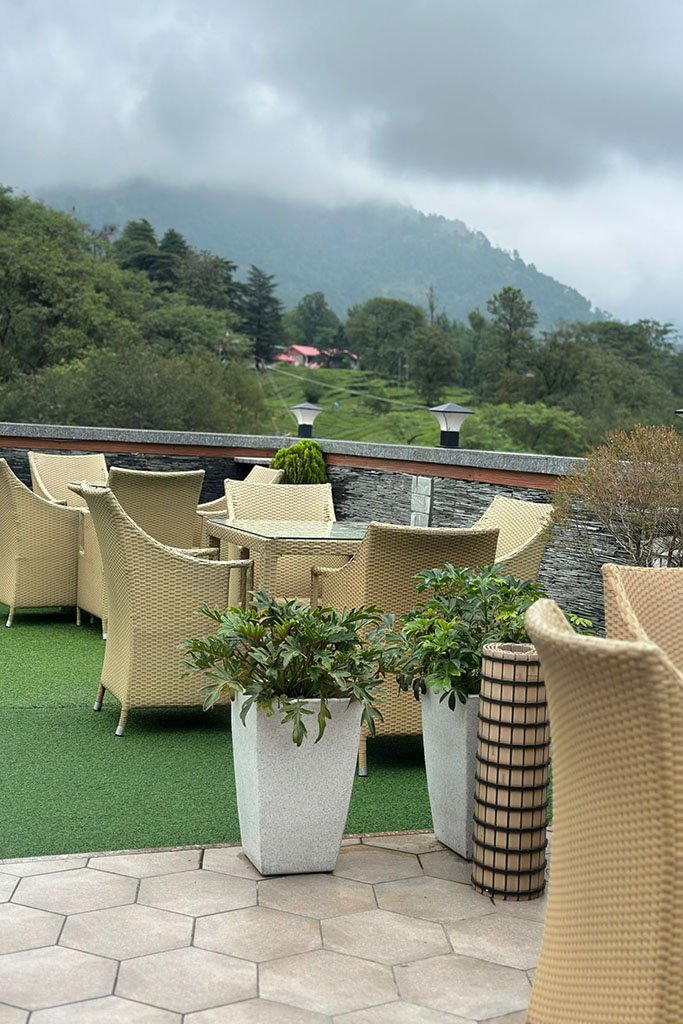
The Bliss Palampur fits that description well. The rooms are comfortable and well-appointed, the facilities cover what travellers genuinely use, and the surroundings stay peaceful without feeling cut off.
Its position makes short trips to the tea gardens and other attractions simple, and the setting works equally well in bright May sunshine or thick December fog. Summer, monsoon, or winter, it is a dependable base for an unhurried Palampur holiday.
FAQs About Palampur Weather
1. What is the best time to visit Palampur?
Ans- March to June and September to November offer the most reliable, pleasant conditions.
2. How is Palampur weather in summer?
Ans – Mild and comfortable, roughly 15°C to 30°C, and well suited to full days of sightseeing.
3. Does Palampur receive snowfall?
Ans – Rarely inside town. Nearby higher altitudes get snow through winter and are visible from the valley.
4. Is Palampur good to visit during monsoon?
Ans – Yes, if you want greenery, small crowds, and a slow pace. Just pack for rain.
5. What is the Palampur temperature in winter?
Ans – Generally between 5°C and 18°C.
Leave feedback about this